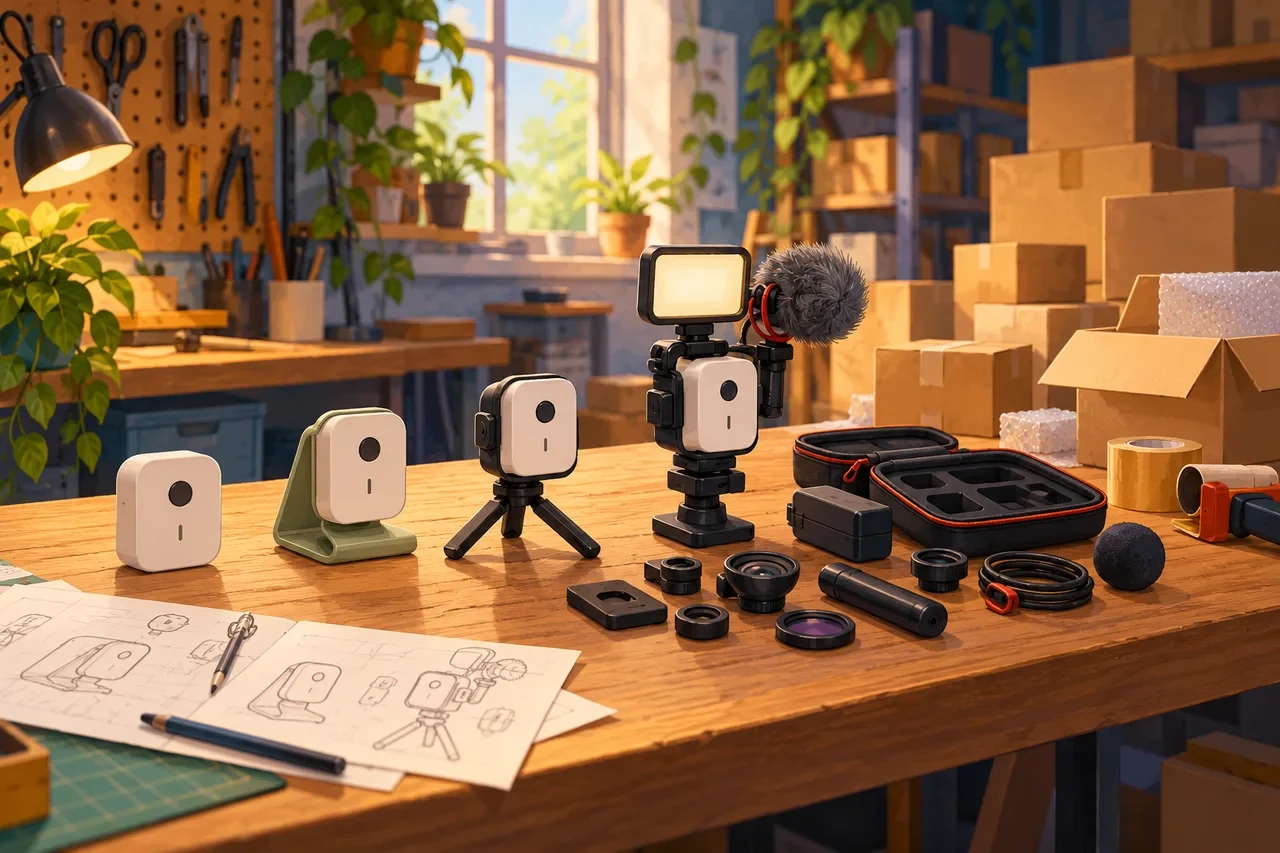
Illustrative editorial image generated with AI.
A stretch goal is an additional promise attached to a campaign that has already met its original funding target. It can give supporters something worthwhile to celebrate. It can also quietly change the product, packaging and delivery schedule that made the original plan feasible.
Kickstarter's explanation of stretch goals says they are creator-defined targets, not a required platform feature, and warns that extra rewards can increase complexity. Treat the decision as a change to a delivery plan. The following evaluation is a practical planning framework, not a prediction that any particular reward will increase funding.Ask what improves for the backer
Describe the benefit without mentioning the funding milestone. “The existing book will use a more durable cover” is easier to evaluate than “a special surprise unlocks”. Ask whether the change strengthens the reward people already wanted or creates another product with its own dependencies.
A digital extra may avoid postage, but it still needs writing, editing, testing or licensing. A physical extra may look cheap at factory cost while adding packaging steps. Classify the work before calling the reward simple.
Price the promise across everyone eligible
Suppose, as an illustration, an extra component costs 2 currency units and 1,000 existing backers become eligible. That is 2,000 in component cost before assembly, packaging or replacement stock. If the next milestone brings in 2,500 in additional pledges, the difference is not automatically spare profit: new pledges also create obligations to new backers.
Write down the number of eligible rewards, the extra unit cost and any fixed setup cost. Then add the effect on shipping and partner fees. Keep money needed for the original promise separate. A milestone is defensible only when the incremental funds can support the incremental work under the assumptions you actually expect.
Follow the change through the whole process
For a new colour, check minimum order quantities and how backers choose it. For a new accessory, check the packaging fit and whether it introduces a supplier. For extra game content, check testing, translation and production files. The visible feature is only the first step in the change.
Ask each responsible partner whether the proposed schedule still works. A supplier saying it can manufacture the part does not establish when artwork, samples and approval must be finished. Put those dates beside the original production milestones.
Prefer a small decision sheet to campaign improvisation
Before announcing a goal, record the benefit, cost range, affected rewards, delivery impact, owner and evidence behind the estimate. Include a fallback if a supplier or component fails. If the fallback changes what backers receive, explain it before accepting the additional promise rather than inventing it during fulfilment.
Do not announce an unverified idea simply because the campaign is moving quickly. Keeping the existing delivery date or improving quality control can be a valid use of additional funds. More promised features are not the only way to offer value.
Communicate eligibility and consequences
State who receives the extra, whether backers must make a choice, and whether shipping charges or delivery dates change. Separate a goal that has been announced from one that has been reached and from work that is already complete.
After the campaign, keep reporting against the revised plan. A useful stretch goal remains understandable when the funding excitement is gone: the benefit is specific, the cost is covered, and the original reward still has a credible route to delivery.